
Your roof is one of the most important and expensive parts of your home. It protects everything underneath it, shapes how your house looks from the street, and quietly influences your monthly energy bill. So when it’s time for a roof replacement, the stakes are real.
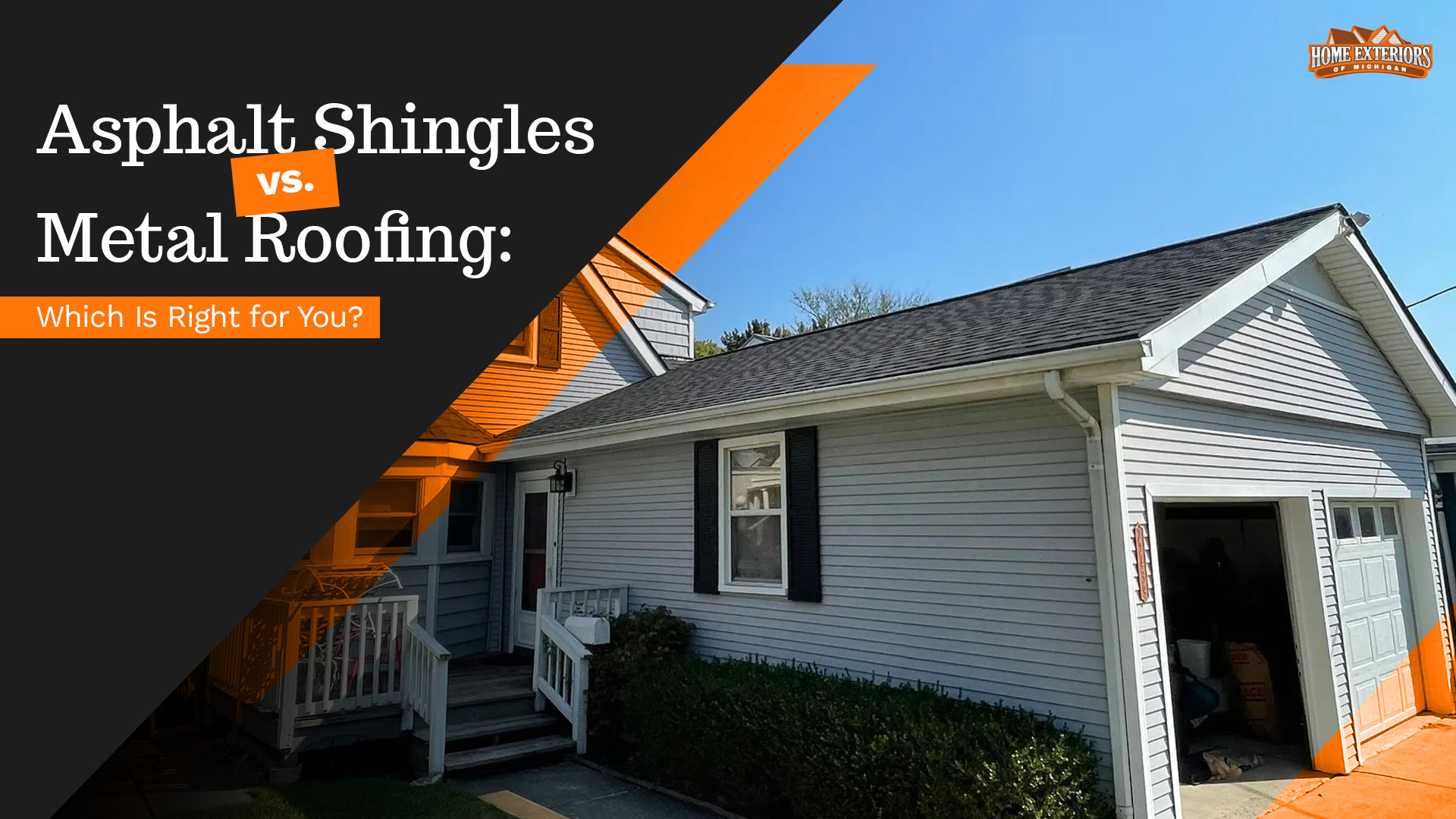
Two options dominate the residential roofing market today: asphalt shingles and metal roofing. Asphalt shingles have been the go-to choice for American homeowners for nearly a century, and it’s easy to see why they’re affordable, familiar, and widely available. But metal roofing has been steadily closing the gap. According to the Metal Roofing Alliance, 18% of homeowners chose metal when replacing their roofs.
So, which is actually right for your home? This guide is for homeowners who want a straight, honest comparison, no jargon, no sales pitch. We’ll break down cost, lifespan, durability, weather performance, energy efficiency, and more, so you can walk away confident in your decision.
What Are Asphalt Shingles?
Asphalt shingles have dominated North American roofing since the early 1900s. They’re made from a fiberglass mat coated in asphalt-based filler, then topped with ceramic mineral granules. Those granules aren’t just for looks, they increase surface area to dissipate UV rays and help keep your home cooler.
There are three main types of asphalt shingles:
3-Tab Shingles are the most basic and budget-friendly option. They lie flat on the roof and have a uniform, single-layer appearance. They’re the least durable of the three and max out at around 20 years.
Architectural (Dimensional) Shingles are the most popular choice today. They have a layered, textured look that adds depth and can mimic the appearance of natural slate. They typically last 22–30 years when properly installed, and they hold up better in moderate weather than 3-tab shingles.
Luxury (Premium) Shingles sit at the top of the asphalt lineup. They’re thicker, heavier, and more visually striking, often designed to replicate the look of high-end materials like wood shake or slate. In ideal conditions, they can last 30 years or more.
Why homeowners love asphalt shingles: They’re affordable upfront, available everywhere, easy for any roofing contractor to install, and come in a wide variety of colors and styles. If you’re budget-conscious or don’t plan to stay in your home long-term, they’re a completely sensible choice.
What Is Metal Roofing?
Metal roofing comes in several materials: steel, aluminum, copper, zinc, and composite metals, and two primary installation systems.
Standing Seam Metal Roofing features large panels that interlock at raised seams running vertically down the roof. The fasteners are concealed beneath the panels, which allows the metal to expand and contract freely with temperature changes. This is the recommended system for residential use because it requires almost no maintenance and holds up extremely well over time.
Exposed Fastener Metal Roofing is the more economical metal option. The panels are screwed directly through the surface, which means the fasteners are visible and exposed to the elements. Over time, those screws can back out due to thermal expansion and contraction, requiring periodic replacement. It typically lasts 20–30 years, considerably less than a standing seam.
Metal roofing is available in steel, aluminum, copper, and zinc. Steel is the most common for residential use, strong and cost-effective. Aluminum is lighter and naturally resistant to corrosion, making it ideal for coastal climates. Copper and zinc are premium options that can last a literal lifetime but come at a significantly higher price.
Why homeowners are switching to metal: Durability, longevity, low maintenance, energy savings, and growing availability of styles that look nothing like the barn-roof metal of decades past.
Cost Comparison: Upfront vs. Long-Term
Asphalt Shingles: Material and installation for a full roof replacement typically runs $1–$3 per square foot for basic 3-tab shingles, $2–$4 per square foot for architectural shingles, and $8 or more per square foot for luxury shingles. On an average-sized home, a complete asphalt shingle roof replacement might run $5,800–$12,200 in total.
Metal Roofing: Sheet metal and exposed fastener systems start around $4–$6.50 per square foot. Metal shingles range from $7–$22 per square foot, and standing seam systems, the premium option, can reach $9–$30 per square foot depending on the material. Many homeowners who install metal roofs spend $10,000 or more.
So yes, asphalt is cheaper upfront. But the conversation doesn’t end there.
The Long-Term Math: An asphalt shingle roof typically needs replacement every 20–25 years. A standing seam steel roof, by contrast, can last 40–70 years. If you live in your home for 40 years, you might replace an asphalt roof twice, paying installation costs twice, while a metal roof installed today could outlast your mortgage entirely. When you factor in lower maintenance costs for metal roofing over that period, the long-term return on investment often favors metal, even though the sticker price is higher.
What’s the Lifespan and Durability?
Asphalt Shingles: 15–30 years, depending on the grade and climate. 3-tab shingles sit at the lower end; luxury shingles can stretch toward 30 years in favorable conditions. Asphalt is vulnerable to cracking in areas with extreme temperature swings between day and night, and to algae and fungus growth in humid climates.
Metal Roofing: 40–70 years for quality systems. A copper, stainless steel, or zinc standing seam roof can realistically last the remainder of your lifetime once installed. Metal doesn’t crack, warp, or develop algae growth. It sheds snow and rain more efficiently, reducing the risk of ice dams and water damage.
One caveat worth mentioning: aluminum and some other softer metals can dent from heavy hail or falling branches. Steel is more resistant to impact but comes at a higher cost. If you live in a hail-prone area, make sure to ask your contractor about impact resistance ratings before choosing a metal type.
Weather Performance of Asphalt Shingles Or Metal Roofs
In high-wind regions, Metal roofing, particularly standing seam, performs exceptionally well. Interlocking panels resist uplift and wind-driven rain in ways that individual asphalt shingles, which can be peeled back or blown off, simply cannot match.
In heavy snow climates, Metal roofs shed snow naturally because of their slick surface. Homeowners with metal roofs consistently report fewer problems with accumulated snow and ice compared to those with shingle roofs. Asphalt, by contrast, can trap moisture beneath ice dams, leading to leaks and structural damage over time.
In hot, sunny climates, Metal roofing reflects solar heat rather than absorbing it, which directly reduces cooling costs. Asphalt, on the other hand, absorbs heat like a sponge and radiates it into the home even after the sun sets, which is why attic temperatures under asphalt roofs tend to run significantly higher.
In cold climates, interestingly, asphalt shingles have a slight advantage here. Because they absorb heat, asphalt-shingled homes tend to be warmer in winter, which can reduce heating costs. Metal roofs, unless paired with proper insulation and underlayment, can make a home in a cold climate more expensive to heat.
Energy Efficiency
Energy efficiency is one of the most compelling arguments for metal roofing. A light-colored metal roof treated with reflective coatings can keep attic temperatures up to 40°F cooler than comparable homes with asphalt shingles, according to research conducted in Florida. That kind of temperature difference translates directly into lower air conditioning bills during the summer months.
Many metal roofing systems are also ENERGY STAR rated, and some homeowners may qualify for federal tax credits by installing qualifying energy-efficient roofing materials. Asphalt shingles, by comparison, absorb solar energy and release it slowly into the home, making your HVAC system work harder during warm months.
If you live in a hot climate or if your energy bills are a significant concern, the energy savings from metal roofing can meaningfully reduce the gap between its higher upfront cost and the cost of asphalt alternatives.
Maintenance Requirements for Asphalt Shingles & Metal Roofs
Asphalt Shingles: Require more active maintenance. You’ll want to inspect the roof at least once a year, look for cracked, curling, or missing shingles, clear debris from valleys and gutters, and address any algae streaking (common in humid regions) with appropriate treatments. Because asphalt shingles are individual pieces, replacing damaged ones is relatively straightforward and inexpensive; any local roofing contractor can handle it.
Metal Roofing is remarkably low-maintenance by comparison. Properly installed metal roofs don’t crack, warp, or develop algae. The main concerns are clearing debris to prevent prolonged moisture contact and checking that any exposed fasteners (on exposed fastener systems) haven’t backed out. Standing seam metal roofs, because the fasteners are concealed, have even fewer maintenance concerns. You’ll still want an annual inspection, but the likelihood of finding damage is much lower.
What to Expect during Roof Installation?
Asphalt shingles are one of the easiest roofing materials to install. Virtually every roofing contractor in the country has experience with them. Installation is faster, sometimes completed in a single day for smaller homes, and because the material is widely available, you have more contractor options and competitive pricing. In some cases, new shingles can be installed over an existing layer, further reducing labor costs (though this depends on local building codes and the condition of the existing roof).
Metal roofing requires a more specialized skill set. Installation is more precise, with less room for error, particularly for standing seam systems where the panels interlock and must be perfectly aligned. Mistakes in metal roof installation can compromise the system’s ability to handle thermal expansion and contraction, leading to leaks down the road. This means you’ll need a qualified metal roofing contractor, and the installation will typically take longer than asphalt. It also means your contractor pool is smaller, which can affect both availability and pricing.
One interesting option: in many cases, a metal roof can be installed directly over an existing asphalt shingle roof, sometimes called a “metal-over-shingle” installation. Because metal is typically lighter per square foot than asphalt, the added weight is usually not a structural concern. However, this approach requires professional evaluation of the existing roof’s condition, proper ventilation planning, and compliance with local building codes.
Looking for a professional Roofing service in Michigan? Home Exterior of Michigan is the perfect choice for your home.
Which Roof looks aesthetic and has Curb Appeal?
The days of metal roofing looking industrial or utilitarian are largely behind us. Modern metal roofing comes in a wide range of profiles and finishes, including metal shingles that convincingly mimic wood shake, natural slate, and clay tile. If you want a traditional look with modern performance, there’s almost certainly a metal product that can deliver it.
Asphalt shingles, particularly architectural and luxury styles, also offer strong visual appeal. They’re available in dozens of colors and textures, and their layered appearance can give a roof real visual depth and character. Both options offer plenty of aesthetic flexibility. The difference is that asphalt’s look can start to fade and lose granule coverage over time, while a metal roof’s factory-applied finish (typically a PVDF coating) holds its color much longer without significant fading or chalking.
How Asphalt Shingles & Metal Roofs Impact the Environment?
This is an area where metal roofing has a clear advantage. Steel roofing is 100% recyclable; installation scraps, cut-offs, and eventually the entire roof system can be recycled at the end of its life rather than going to a landfill. Many metal roofing products also contain a significant percentage of recycled content to begin with.
Asphalt shingles, by contrast, are petroleum-based and notoriously difficult to recycle. Millions of tons of asphalt shingles end up in landfills every year in the United States. Some regions have programs to repurpose old shingles into road paving material, but these are not universal. If sustainability is a priority for you, whether for environmental reasons or simply because you prefer a roof that won’t become landfill waste, metal is the more responsible choice.
Resale Value and Insurance of both Roofs
Resale Value: A metal roof can be a selling point, particularly in markets where buyers are savvy about long-term home ownership costs. A home with a 10-year-old metal roof is more appealing than one with a 10-year-old asphalt roof, because the remaining useful life is dramatically different. That said, in many regional markets, buyers simply expect a functional roof of any type, and the premium you can command for metal varies widely.
Insurance: This is a more concrete advantage of metal roofing. Insurance companies generally view metal roofs more favorably than asphalt because metal is far more resistant to storm, hail, wind, and fire damage. Homeowners with metal roofs often pay lower insurance premiums, and in some high-risk areas, insurance companies may even incentivize the switch. Asphalt, being more susceptible to storm and hail damage, can result in higher premiums, particularly in hurricane-prone or hail-prone regions.
Home Exterior of Michigan provides financing options for homeowners
Which One Is Right for You?
There’s no single “best” roofing material for every homeowner. The right choice depends on your specific situation.
- Choose asphalt shingles if: You’re working with a tighter budget and need an affordable roofing solution now. You plan to sell your home within the next 10–15 years and want to avoid over-investing in the roof. You live in a cold climate where the heat-absorbing properties of asphalt help reduce winter heating costs. Your area has lower-than-average hail or storm risk, and durability isn’t your top concern.
- Choose metal roofing if: You plan to stay in your home long-term (20+ years) and want to avoid ever replacing your roof again. You live in a hot climate and want to meaningfully reduce cooling costs through solar reflectivity. You’re in a high-wind, heavy snow, or hurricane-prone area and need a roof that performs under pressure. Environmental sustainability matters to you. You want the peace of mind that comes with a 40–50 year warranty and near-zero maintenance.
If you’re genuinely on the fence, talk to two or three local roofing contractors who install both systems. A good contractor will give you a realistic picture of what each option costs in your specific region, how each performs in your local climate, and what the installation timeline looks like.
Conclusion
Choosing between asphalt shingles and metal roofing is ultimately about matching the right material to your timeline, budget, climate, and priorities. Asphalt shingles are a proven, affordable workhorse that will serve most homeowners well for two or three decades. Metal roofing is a premium investment that, when properly installed, can protect your home for the rest of your life with lower maintenance and higher energy efficiency along the way.
Whatever you decide, the quality of the installation matters just as much as the material. Work with a licensed, experienced roofing contractor, ask for references specific to the material you’re considering, and don’t let price alone drive your decision. Your roof is one of the few parts of your home you literally cannot live without.
FAQs
Can a metal roof be installed over existing asphalt shingles?
Yes, in many cases it can. This approach, called a metal-over-shingle installation, can save on tear-off and disposal costs. Because metal is lightweight, it typically doesn’t add a concerning structural load. However, the existing shingles must be in fair condition (flat, secure, and free of significant water damage), and local building codes may limit how many roofing layers are permitted. A professional inspection is essential before choosing this route.
Is a metal roof louder than an asphalt roof during rain or hail?
Without proper insulation and underlayment, rain on a metal roof can be noisy. However, professionally installed residential metal roofs include solid sheathing and insulation that significantly reduce sound. Most homeowners notice little to no difference compared to asphalt roofing.
How much does a metal roof add to home resale value?
While it depends on the market, metal roofing generally increases resale value thanks to its durability, energy efficiency, and long lifespan. Buyers appreciate knowing they won’t need a roof replacement for decades.
Which roofing material is better for high-wind or hurricane-prone areas?
Standing seam metal roofing offers superior wind resistance because of its interlocking panel design. Many systems are also rated for Class 4 impact resistance and high wind speeds, making them an excellent option for areas prone to severe storms.
How do I know when my asphalt shingle roof needs replacing?
Common warning signs include curling or cracked shingles, missing granules, granules collecting in gutters, daylight visible through the attic, sagging roof areas, or a roof that is more than 20 years old. If you notice several of these issues, schedule a professional inspection.
Does metal roofing attract lightning?
No. Metal roofing does not attract lightning any more than other roofing materials. Lightning is determined by factors such as height, location, and surrounding structures. Metal roofs are also non-combustible, making them one of the safest roofing options during a lightning strike.